Ideal home humidity levels in summer and winter
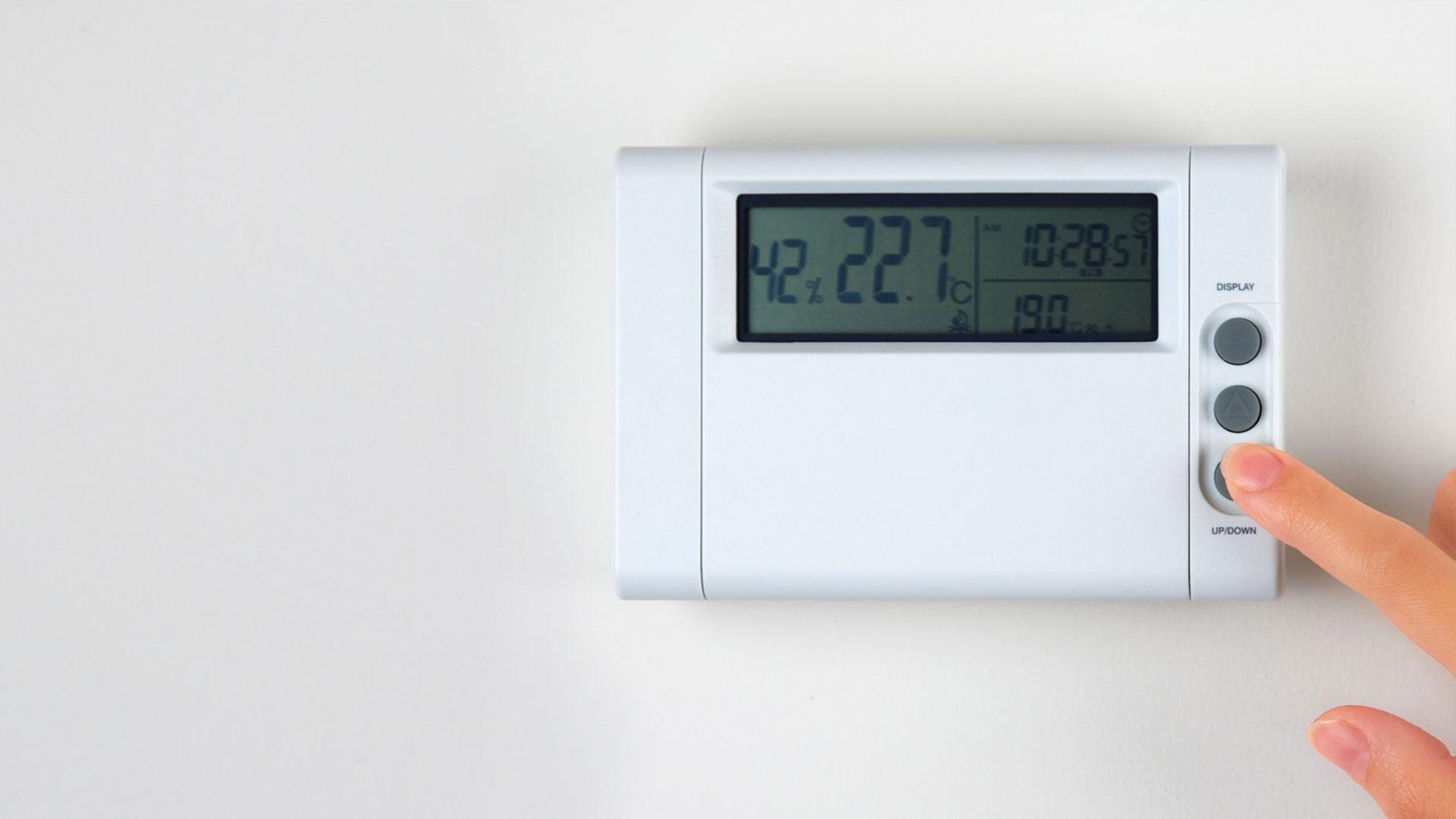
Why does humidity vary in a home?
Humidity fluctuations are normal in a home and are related to:
- weather conditions and seasonal changes
- opening doors and windows
- daily activities such as cooking, showering, or doing laundry
When humidity or temperature stray too far from recommended ranges, they can negatively affect indoor comfort and increase the risk of respiratory issues.
What are the right humidity and temperature levels in a home?
Ideal relative humidity levels:
- Home humidity in winter: Between 30% and 40%
- Home humidity in summer: A maximum of 55%
Maintaining these thresholds helps preserve indoor air quality and home comfort throughout the year.
Ideal indoor temperature:
There is no single perfect temperature for everyone. The key is allowing the body to maintain its normal temperature of around 37°C. In other words, the ideal temperature is one you barely notice.
As a general guideline:
- General indoor temperature: 20 to 22°C
- For seniors: Up to 24°C
- Bedroom: 18 to 19°C for a healthy adult
More of a visual learner? Watch our video.
How to measure humidity levels in a home
To measure humidity in a house, the simplest and most reliable tool is a hygrometer. This device indicates relative humidity, expressed as a percentage. Digital or analogue models are affordable and easy to use.
For an accurate reading, place the hygrometer in a central room, about 1.5m above the floor, away from sources of heat, cold air, or moisture.
What are the effects of humidity that is too low or too high?
Excessive humidity (over 55%):
- promotes mould growth and dust mites; and
- can cause heavy, stuffy indoor air, and window condensation.
Insufficient humidity (below 30%):
- dries out the air and may irritate the nose, throat, eyes, and skin; and
- can increase discomfort for sensitive individuals, especially people with asthma.
Well-controlled humidity is essential for comfortable, healthy indoor air. Temperature plays a supporting role in maintaining this balance.
How to better control humidity at home
Simple daily actions:
- Use the kitchen range hood and bathroom exhaust fan to limit excess moisture.
- Ventilate regularly, without excessively cooling the home.
Seasonal humidity control tips:
In summer:
- Dehumidify the air when needed, especially in the basement (around 50% basement humidity).
- Use an air conditioner or fan to reduce perceived heat.
In winter:
- Ventilate if humidity is too high, ideally using a heat recovery ventilator (HRV) or energy recovery ventilator (ERV).
- If the air is too dry, use a portable or central humidifier.
Other useful tips for better humidity control
- Improve air sealing and insulation to reduce air leakage.
- Maintain humidifiers and air exchangers regularly (ideally in spring and fall).
- Clean air ducts every 3 to 5 years.
Key takeaways on home humidity and temperature
Adjusting humidity and temperature at home means adapting to the seasons, the building’s characteristics, and daily lifestyle habits. With a few clear benchmarks and simple actions, it is possible to maintain a comfortable indoor environment all year long.
FAQ – Home temperature and humidity
1. Why do my windows drip in the morning?
This is caused by condensation forming when window panes are cold and indoor air is warm.
2. Does humidity increase heating costs?
No. Humidity only affects how we perceive temperature (Humidex) and does not directly impact your electricity bill. See our simple winter heating tips.
3. Frost at the bottom of windows: what should I do?
Make sure nothing is blocking heat from reaching the glass, such as furniture or curtains. Otherwise, the sealed window units may need to be replaced if they are no longer airtight.
4. Is foggy window glass a ventilation system problem?
Fogging is usually linked to insufficient ventilation. For example, curtains may be blocking heat in front of a window. In some cases, replacing the sealed glass units may be necessary.
Do you need personalized advice on your home?
Our Residential Advisory Services counsellors are there to answer your questions and support you when you need it. Ask for their advice as often as you like. It’s one of the benefits of membership.